

Your health
Health screening
Routine health checks that can help detect issues early and keep you well.

Why health screening matters
Health screening is about finding problems before they become serious. Some conditions such as high blood pressure or early-stage cancer don’t cause symptoms at first. Routine checks help identify issues early, so you can get the right treatment sooner.
Screening is available for people in specific age groups or with certain risk factors. If you’re invited to a screening, it’s because the benefits of testing outweigh the risks. These programmes are safe, quick and free on the NHS.
Your GP practice will contact you when you’re due, you might also get reminders directly from the NHS or a local health board.
Screening is a process of identifying apparently healthy people who may be at increased risk of a disease or condition. They can then be offered information, further tests, and appropriate treatment to reduce their risk and/or any complications arising.
Types of health screening
There are different types of screening depending on your age, sex, and health history. Some are one-off checks such as newborn or antenatal screenings, while others happen every few years, such as cervical screenings.
Most take place in a local clinic or GP practice, but some – like bowel screening – can be done at home. Screening covers areas such as:
- Bowel screening
- Breast screening
- Cervical screening (smear tests)
- AAA screening (Abdominal Aortic Aneurysm)
- Eye screening for people with diabetes
- Newborn and infant physical exams
- Heart and circulation health checks

How to access health screening
Firstly, check what health screening programmes are currently available in Wales by visiting NHS Health Screening. Screening is a process of identifying apparently healthy people who may be at increased risk of a disease or condition. Individuals can then be offered information, further tests and appropriate treatment to reduce their risk and/or any complications arising from the disease or condition.
Understand how to access the different types of screening:
- If you get a letter inviting you to a screening, book your appointment as soon as possible.
- Ask your GP or nurse if you’re unsure whether a screening is due or if you missed one.
- Screening is optional, but it gives valuable information even if you’re feeling well.
- If something is found, your healthcare team will talk you through the next steps and support available.
- If you need help booking or getting to an appointment, let your practice team know.
More information about how screening programmes in Wales are performed and details on how to contact them directly visit NHS Health Screening.
Your health
Get information and support for more health concerns

Tenovus cancer care
Tenovus Cancer Care offers free, confidential support for anyone whose life has been affected by cancer.
Frailty Nursing Service
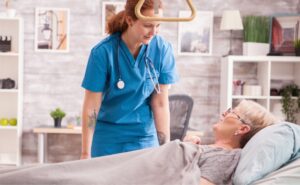
The Frailty Nurses are working for the GP practices in Taff Ely to provide assessment, advice and support for patients, their families and carers at home.

Case UK Wellbeing Support
Case UK offer rapid access to physiotherapy, psychological, and occupational therapy across Cwm Taf Morgannwg and Taff Ely area. It is fully funded by the Welsh Government and comes at no cost to you.